

Recreational vehicles (RVs) have evolved significantly over the years, and so has the glass technology that protects and enhances them. From panoramic windshields to specialized coatings, modern RV glass has become far more resilient and functional than ever. This article explores recent developments in RV glass technology, outlines how these changes benefit owners, and sheds light on what the future may hold. Whether you’re a longtime RV traveler or a newcomer to the lifestyle, understanding these improvements can help you make informed decisions about maintenance, repairs, and upgrades.
The Importance of Quality RV Glass
RV owners count on their windows and windshields for visibility, safety, insulation, and overall comfort on the road. High-quality glass can reduce the occurrence of breakage, prevent extreme temperature shifts, and even enhance a vehicle’s appearance. With so many technological updates available, there’s never been a better time to explore the latest options in RV glass products.
Enhancing Safety for All Passengers
Driving a large vehicle comes with its own set of challenges. When vision is compromised by low-grade or damaged glass, accidents become more likely. Modern RV glass manufacturing aims to protect travelers from road hazards, debris, and harsh weather conditions.
Comfort and Noise Reduction
An RV is essentially a home on wheels. The right glass can minimize the intrusion of outside noise, which is vital when you’re on a long road trip or simply looking for peace and quiet while parked. Additionally, upgraded materials and advanced coatings can improve thermal performance, maintaining a comfortable indoor temperature regardless of external conditions.
Innovative Materials: From Traditional Glass to Advanced Composites
RVs in the past primarily used basic safety glass that offered decent protection but had limited features. As technology progressed, manufacturers began experimenting with different materials to provide better insulation, clarity, and durability.
Tempered Glass and Laminated Glass
One of the biggest advancements has been the use of tempered and laminated glass. Both processes alter the structure of standard glass to make it stronger and less prone to shattering.
- Tempered Glass: Heated and rapidly cooled to increase strength, making it more resistant to impacts. If it breaks, it crumbles into small granules rather than sharp shards.
- Laminated Glass: Created by bonding layers of glass with a plastic interlayer. The goal is to keep the glass intact even if it cracks, preventing dangerous shards from flying into the cabin.
Polycarbonate and Composite Materials
In certain applications, manufacturers have shifted to lighter materials like polycarbonate or hybrid composites. These materials can be more resistant to scratches and breakage, though some owners might notice differences in clarity or color. However, ongoing research seeks to address such shortcomings, aiming for the ideal balance of weight, strength, and transparency.
The Manufacturing Process: From Raw Ingredients to Finished RV Windows
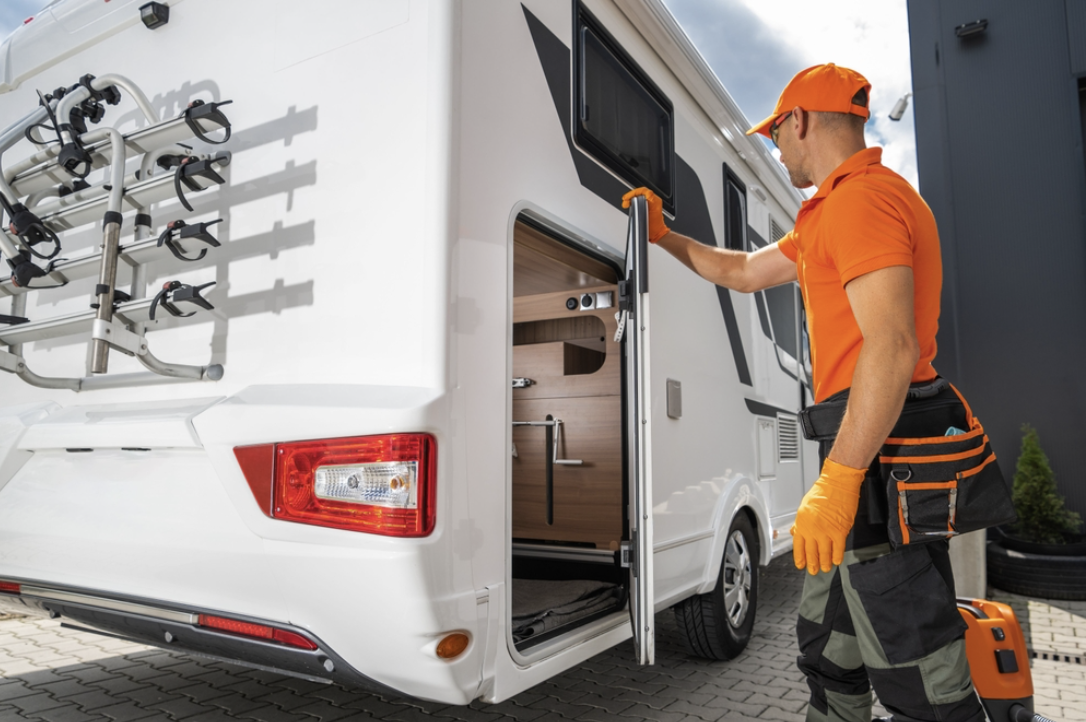
RV glass technology has come a long way, and part of that journey involves refining how the glass is made. The manufacturing process tends to follow these steps:
- Raw Materials: High-grade silica sand, soda ash, and other ingredients are combined.
- Melting and Forming: Mixtures are melted in furnaces exceeding 2,500°F. The molten glass is then formed into flat sheets or shaped panels.
- Treatments and Coatings: Depending on the product, additional treatments—like tempering, laminating, or applying coatings—are performed.
- Quality Checks: Glass sheets go through rigorous inspections to find any imperfections.
- Final Shaping and Edging: Once cleared, the glass can be cut, shaped, and polished. Special edges, holes for fasteners, or other custom touches might be added.
Automation and Precision
Thanks to automated machinery and advanced software, the manufacturing process has become more precise. This technology allows manufacturers to create uniform panes with excellent optical clarity, minimal defects, and exact measurements. Owners benefit because custom-made windows can fit their RV perfectly, reducing the chance of leaks or stress fractures down the line.
Customization and Special Requests
RV enthusiasts often want specialized windows for a unique look or purpose. Manufacturers can now accommodate requests such as:
- Tinted or privacy glass to reduce UV exposure.
- Frosted designs for interior partitions.
- Curved windshields for a panoramic view.
This flexibility has grown considerably with new manufacturing techniques, letting owners truly customize their traveling homes to suit their preferences.
Coatings and Treatments: Pushing Beyond Ordinary Glass
Cutting-edge coatings do more than just add a sleek finish. They can repel water, block harmful UV rays, insulate against infrared radiation, and strengthen glass surfaces.
Hydrophobic and Oleophobic Coatings
Water droplets tend to bead up and roll off hydrophobic surfaces, minimizing streaks or fogging. This is invaluable in rainy conditions, enhancing visibility. Oleophobic coatings add an extra layer of protection against grease and smudges—an appealing feature for windshields and windows that get a fair amount of contact or dirt from the road.
UV Protection and Energy Efficiency
Excessive sun exposure can make an RV uncomfortably hot and damage interior fabrics. Advanced glass coatings block a significant portion of harmful UV rays, helping maintain cooler indoor temperatures and extending the lifespan of upholstery and décor. By managing heat buildup, these coatings can also lessen the demand on air conditioning systems, potentially cutting down on energy consumption.
Scratch-Resistant Layers
Scratches can impact visibility and degrade the appearance of an otherwise well-maintained vehicle. Modern RV glass manufacturers apply extra-strong coatings that mitigate this risk. These layers are particularly useful for windshield panels where small chips and surface marks can interfere with line of sight.
Improvements in Repair and Replacement Processes
Not all progress happens in the factory. Once an RV is on the road, owners must maintain windows and windshields, repairing or replacing them if necessary. Modern repair and replacement processes benefit significantly from new materials and techniques.
Resin Injection for Minor Cracks
Small chips and cracks are common, especially on long-distance travels. The resin injection method offers a way to fix these issues without replacing an entire windshield. By inserting a specialized resin that hardens under UV light, service technicians can fill tiny gaps, preventing cracks from spreading. This process can also restore clarity, making the damage virtually invisible in many cases.
Faster Replacement with Precision Equipment
If a replacement is needed, cutting-edge machinery can craft a new pane precisely to the manufacturer’s specifications. Improved adhesives ensure secure installation with minimal downtime. Owners no longer need to wait for days or weeks for a suitable windshield to arrive—it can often be produced and installed quickly, giving them more time to enjoy the open road.
Customized Upgrades During Replacement
Some owners take replacement as an opportunity to upgrade. For instance, an older RV might have basic safety glass that lacks advanced coatings. When ordering a new windshield, owners can opt for laminated glass with UV-blocking properties, or even consider tinted panels that reduce glare. This approach lets them modernize their vehicle with the latest technology without buying an entirely new RV.
Environmental Considerations in RV Glass Production
As public awareness of sustainability grows, the RV industry is exploring ways to lessen environmental impact during glass production. Furnaces still require significant energy to melt raw materials, but manufacturers are making strides toward more eco-friendly methods.
Recycling and Reusing Glass
Many factories collect and recycle glass waste, turning scrap glass back into usable material. This approach lowers the demand for new raw ingredients and cuts down on energy consumption. By reusing glass that would otherwise go to a landfill, manufacturers are taking a step toward more sustainable practices.
Alternative Energy Sources
Some production facilities are investing in solar panels or other renewable energy solutions. These sources help power large furnaces and reduce the carbon footprint of the entire manufacturing process. Though not yet widespread, the trend toward cleaner energy usage hints at ongoing positive change in the RV glass sector.
Future Trends in RV Glass Technology
Advancements in RV glass are not slowing down. Researchers continue to explore ways to strengthen glass, enhance insulation, and offer more user-friendly features. In the near future, owners might see:
- Integrated Smart Features: Manufacturers are investigating ways to incorporate sensors and heads-up displays directly into windshields. These innovations could improve safety by relaying vital information in the driver’s direct line of sight.
- Electrochromic Glass: Already used in some luxury vehicles and homes, electrochromic glass tints automatically when connected to an electrical current. RV owners could control the amount of light entering their space at the push of a button.
- Biodegradable Protective Films: Researchers are looking into the possibility of temporary protective films that degrade naturally when their usefulness ends. This could reduce plastic waste associated with aftermarket protective covers.
Balancing Cost and Innovation
Cutting-edge options often come with higher price tags. The challenge lies in balancing cost with reliability and functionality. Many industry experts predict that widespread adoption of certain features—such as electrochromic windows—will drive production costs down over time, making them more accessible to the average owner.
Collaboration Across Industries
The RV sector often borrows ideas from the automotive world, aeronautics, and other industries where durable, high-performance glass is a top priority. This cross-industry collaboration encourages new ideas and fosters continuous improvement. By learning what works in high-speed trains or airplanes, RV glass manufacturers can adapt successful innovations to suit the unique demands of life on the road.
Practical Tips for RV Owners
Regardless of the innovations in glass technology, proper care and maintenance are essential for longevity and performance. Here are some practical pointers:
Regular Cleaning
Dirt, road salt, and other contaminants can accumulate on windshields and windows, leading to scratches or impaired visibility. Using mild cleaning solutions and soft cloths helps preserve the clarity and coatings on the glass. Avoid abrasive pads or harsh chemicals that could degrade any specialty layers.
Periodic Inspections
Inspect your glass routinely for small chips or cracks. Even tiny imperfections can expand quickly due to vibrations on the road. Addressing these issues early—through resin injections or other targeted repairs—can prevent larger problems (and bigger bills).
Proper Storage
If you store your RV for long periods, choose a sheltered spot or use an appropriate cover. Keep windows closed to reduce dust buildup, and consider removing any custom sunshades that might trap moisture. Proper storage helps preserve the glass and the seals that keep your interior protected from leaks.
Mindful Driving
Staying aware of road conditions, weather, and debris can help reduce the risk of damage to your windshield and windows. While some hazards are unavoidable, maintaining safe driving habits can minimize the chance of chipping the glass in the first place.
Conclusion
RV glass technology has reached levels of sophistication unimaginable just a few decades ago. New materials and manufacturing processes have led to stronger windshields, improved insulation, and better overall performance. Specialized coatings and treatments enhance clarity, block harmful rays, and reduce the risk of scratches. Meanwhile, modern repair and replacement techniques save owners time and money, allowing them to focus on what really matters—enjoying their journeys.
Looking ahead, researchers and manufacturers are exploring groundbreaking concepts like smart features, electrochromic glass, and environmentally friendly production methods. These ideas reflect the industry’s commitment to providing safer, more comfortable, and more sustainable RV experiences.
For owners, understanding these advancements can lead to smarter decisions about upgrades and replacements. By keeping up with emerging trends and practicing good maintenance, an RV owner can extend the life and performance of the vehicle’s glass components. Whether you’re a weekend traveler or spend months on the road, investing in high-quality, well-maintained glass can protect your vehicle, enhance your comfort, and help you stay safe wherever your adventures take you.